
Identifying and Fostering Linguistic Intelligence in Children
Every child is a unique tapestry of intelligences, each thread representing a potential genius waiting to be uncovered. One of these threads is Linguistic Intelligence, a cornerstone of Howard Gardner’s theory of multiple intelligences. Linguistic Intelligence involves a deep affinity for words, language, and communication. As parents and caregivers, recognizing and fostering this intelligence can significantly impact a child’s development and lifelong success.
In fourth grade, our teacher assigned us a task to write five lines about a proverb. I lacked confidence in my writing and asked my friend to read my work aloud. Surprisingly, our teacher praised her and identified her as a natural writer.
That was the first time my linguistic skills were recognized. Although I won prizes for writing, I didn’t give much attention to my talent which would have led me to be a Genius in that with ease!
Guiding children to help them realize their linguistic potential can make them a perfect Genius in his zone.
Identifying Linguistic Intelligence
Verbal Prowess: Children with linguistic intelligence display a remarkable aptitude for language from a young age. They might have an extensive vocabulary, use complex sentence structures, and enjoy sharing stories or explaining concepts.
Love for Reading: A strong attraction to books and reading is a clear indicator. These children might spend hours engrossed in novels, magazines, or any written material.
Articulate Expression: Linguistically intelligent children are adept at articulating their thoughts and feelings. They might prefer verbal communication over other forms and use eloquent language to express themselves.
Storytelling Skills: If your child often narrates imaginative tales or creates intricate narratives, it’s a sign of their linguistic aptitude. They may enjoy weaving stories out of thin air or adapting real-life events into captivating narratives.
Word Play and Humor: A keen sense of wordplay, puns, and humor can be a strong indicator. These children might delight in making up clever rhymes, puns, or engaging in word-based jokes.
Listening Skills: Children with linguistic intelligence tend to be attentive listeners. They catch nuances in language, tone, and meaning, which contributes to their own effective communication.
Fostering Linguistic Intelligence
Encourage Reading: Provide access to a wide variety of reading materials – books, magazines, newspapers, and more. Engage in discussions about their reading experiences to enhance comprehension and critical thinking.
Storytelling Opportunities: Encourage your child to create stories, whether through writing or verbal expression. This nurtures their creative thinking and linguistic skills.
Word Games: Play word games like Scrabble, crossword puzzles, or language-based apps. These activities are not only enjoyable but also enhance vocabulary and language comprehension.
Journaling: Introduce the habit of journaling. This helps children articulate their thoughts, reflect on their experiences, and refine their writing skills.
Public Speaking and Debating: Enroll your child in activities that involve public speaking or debates. These experiences boost confidence, fluency, and effective communication.
Language Exposure: Introduce them to different languages and cultures. Exposure to diverse linguistic patterns enhances their sensitivity to language nuances.
Linguistic Intelligence is a window into a child’s exceptional linguistic potential. As parents and caregivers, recognizing and nurturing this intelligence opens doors to a world of communication, creativity, and intellectual growth. By doing this you make him a Genius in his zone of genius. Embrace the power of words and watch your child’s linguistic genius flourish, enriching their life in myriad ways.
Remember: “A child’s mind is not a container to be filled but rather a fire to be kindled.” – Dorothea Brande


 EFFECTIVE TIPS TO RAISE KIDS IN A JOINT FAMILY



















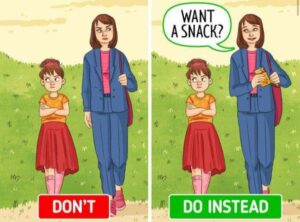
 “Because I said so” is not a good reason to give to a child when they ask you why they shouldn’t do something. Always try to communicate with them and explain to them what might happen if they are misbehaving and why they shouldn’t do certain things. Make them aware of the natural consequences their actions might have, so they can learn and make better decisions for themselves later.